

Mar 30th, 2026
SynGRID event in Zagreb highlights the next challenges for low-voltage grids
How ready are electricity grids for the pace of the energy transition? This was the central question at the SynGRID Showcase Event held on 24 March 2026 at the University of Zagreb, Faculty of Electrical Engineering and Computing. System operators, researchers, companies and energy experts gathered for a day of presentations and discussions on the future of low-voltage grid planning and operation, combining national perspectives from Croatia and Slovenia, two panel discussions, and presentations from SMEs and start-ups active in the energy sector.
The central message of the day: technology is advancing, but regulatory frameworks, data standards and coordination mechanisms are struggling to keep pace. This gap, not a lack of technical solutions, was identified as the primary barrier across every session.

Grids Under New Pressure
Presentations from Croatian and Slovenian distribution operators illustrated just how quickly conditions on the ground are changing. In Croatia, new distributed energy resource connections have grown from around 100 per month in 2022 to more than 1,000 per month today, with total installed capacity now exceeding 1,600 MW. At the same time, a climate-driven shift of peak demand to summer driven by air conditioning in the tourism sector, is creating serious stress on parts of the network that were not designed for this load profile.
The first panel, focused on power system transition from the perspective of system operators, drew out the human and operational reality behind these numbers. Representatives from HEP ODS, HOPS and Elektro Primorska presented insights on grid congestion, increasingly complex power flows, and the growing need for coordination between transmission and distribution system operators. A recurring point was that many of the current barriers are no longer technical: permitting delays, local opposition, conservation restrictions and the absence of regulatory frameworks for new services such as battery flexibility are shaping what can and cannot be done in practice.


Solutions Exist, But the Rules Must Catch Up
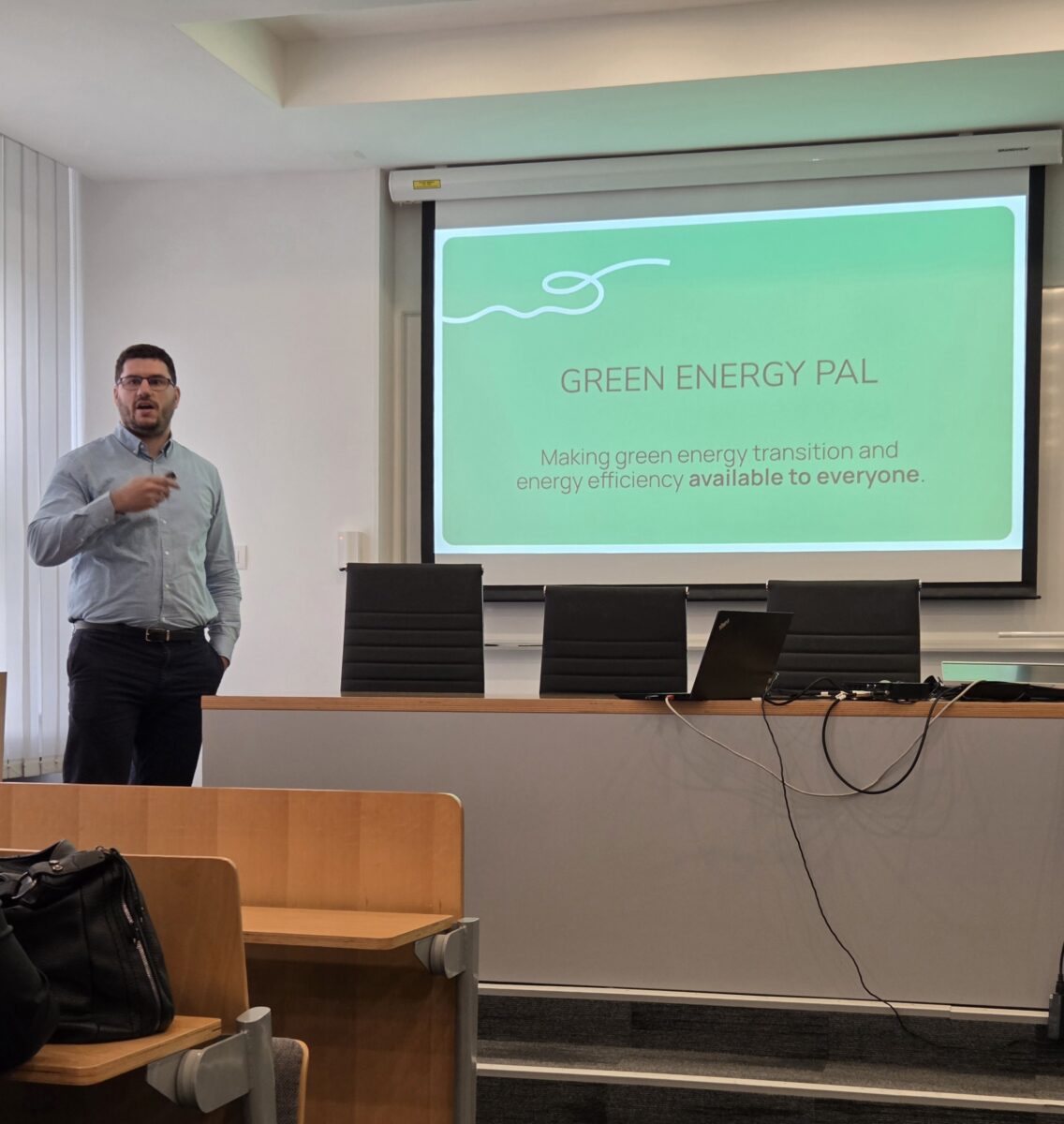
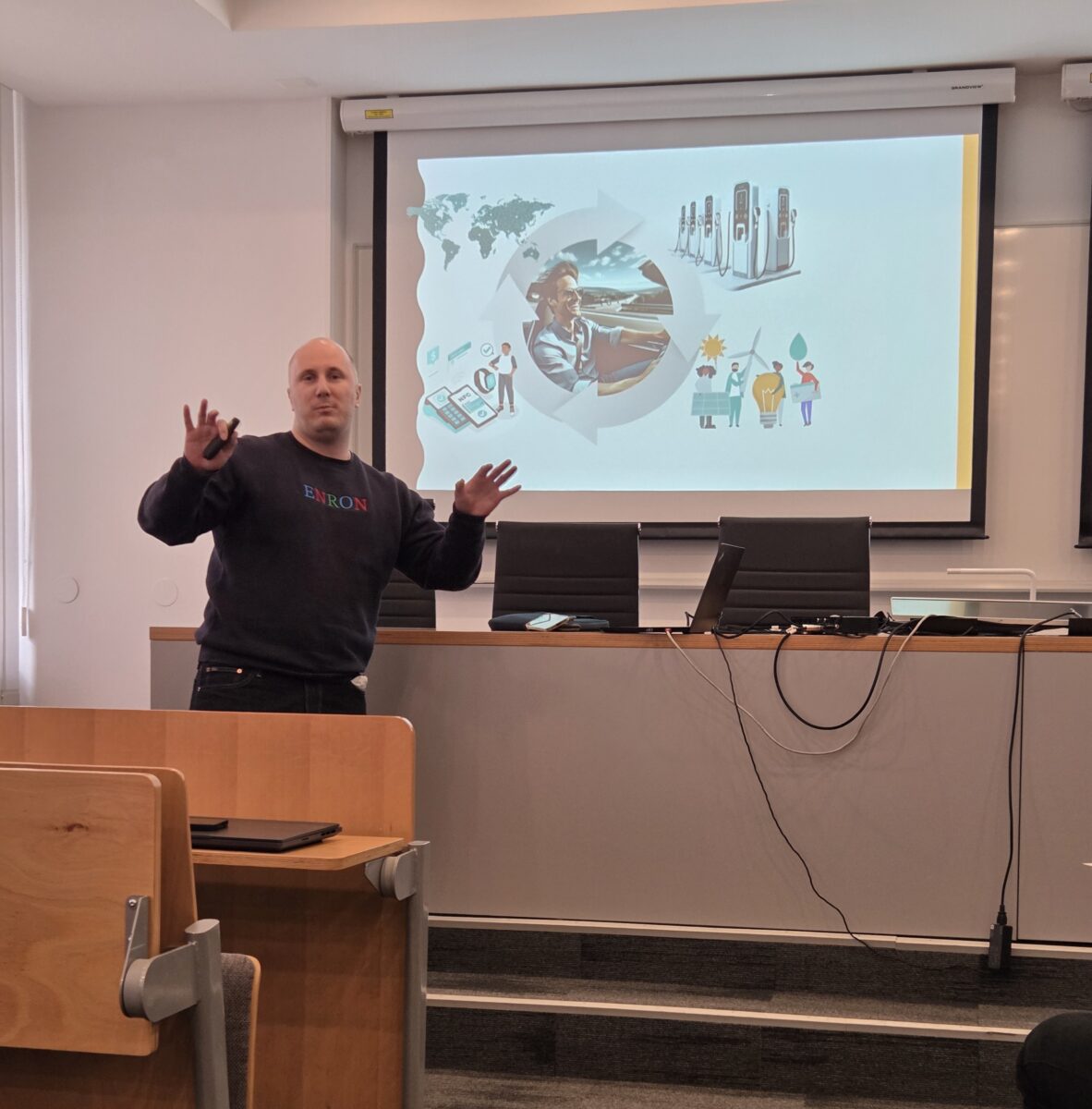
The second panel and the SME presentations shifted focus to what is being built and what is needed for wider deployment. Start-ups and industry players including GridOne, Green Energy Pal, AleDo TECH, HOBACA and DC Tech presented solutions in battery management, EV charging, grid optimisation, and energy community platforms. A common thread: technical readiness is rarely the bottleneck. Regulatory clarity, market timing, and the ability to scale across different DSO environments consistently determine whether a solution reaches impact. The presentations also reflected a broader development in the sector: solutions that once seemed like a nice-to-have are increasingly becoming a must-have, as grid pressures make the cost of inaction more visible.
The panel discussion, which brought together representatives from the University of Zagreb, Faculty of Electrical Engineering and Computing , Končar Digital, Uprise and ENNA Next, underlined the need for network observability as a foundation for any real-time grid management. It also highlighted the absence of common data standards across distribution system operators as a structural barrier to pan-European solutions, and the growing demand for professionals who combine power engineering expertise with data and digital skills.
In this sense, the SynGRID event in Zagreb was not only a showcase of project progress, but also a timely discussion on what needs to happen next. Low-voltage grids are no longer a passive part of the system. They are increasingly becoming an active and strategic part of the energy transition, and that brings new demands: faster planning, better use of data, clearer frameworks for battery integration and flexibility, and a more joined-up approach across the sector.
About SynGRID
SynGRID is a Horizon Europe project running from 1 May 2024 to 30 April 2027. It focuses on improving the management, observability and controllability of low-voltage distribution grids in response to the growing integration of renewable energy sources. The project involves partners from Slovenia, Croatia and Greece and builds on the outcomes of previous Horizon 2020 and Horizon Europe projects. SynGRID is funded by the European Union’s Horizon Europe research and innovation programme under Grant Agreement No. 101160145.