
May 21st, 2026
Tomislav Markotić: Research Reflections from a SynGRID PhD Exchange in Athens
Between April and May 2026, Tomislav Markotić, a PhD researcher from the Faculty of Electrical Engineering, Computer Science and Information Technology Osijek (FERIT), visited National Technical University of Athens (NTUA) through the SynGRID PhD exchange programme. During his stay, he worked on research related to battery energy storage systems for prosumers and energy communities, contributing to the goals of the energy transition and smarter distribution grids. He also attended the second SynGRID Summer School, held at NTUA during his exchange. In the reflections below, Tomislav shares what his research is about, what he accomplished during the exchange, and what stood out most about Athens and Greece.
In simple terms, what is your research about, and how does it connect to the energy transition and smarter grids?
My research focuses on the integration of Battery Energy Storage Systems (BESS) within low-voltage networks, specifically for prosumers and energy communities. I develop optimisation models to determine the optimal sizing and operation of these systems, evaluating their financial viability across various tariff structures, investment models, and configurations, such as individual residential units or shared community BESS.
Beyond the technical optimisation, I analyse how different economic conditions influence BESS implementation. By comparing centralised and decentralised configurations, my work identifies the most sustainable pathways for prosumers to achieve self-sufficiency and cost-effectiveness. This dual focus ensures that BESS is not only technically efficient but also economically attractive for the end-user.
This research area contributes to the development of smarter grids by facilitating further integration of renewable energy sources into the distribution network and providing a solution to their intermittency. By enhancing demand-side flexibility and optimising local energy utilisation, it helps build a more resilient and decentralised distribution network.
What did you work on during your stay at NTUA, and what concrete progress did you make?
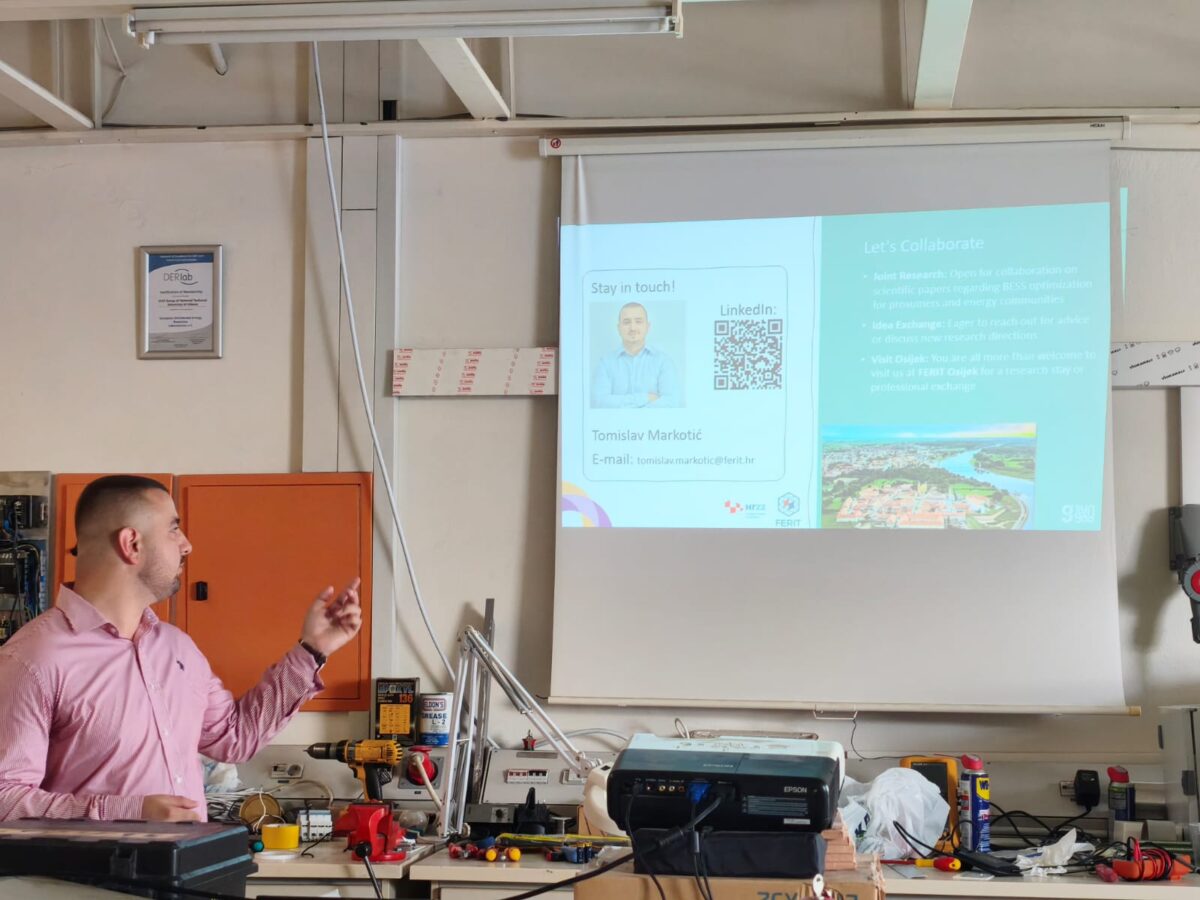
During my stay at NTUA, I worked on finalising and submitting a research paper for an international conference titled Optimal Sizing and Scheduling of Prosumer BESS Considering Equivalent Full Cycles. The paper presents a mixed-integer linear programming (MILP) optimisation model developed to determine the optimal BESS capacity and operation for a real-world prosumer in Slovenia, operating under the Slovenian multi-block tariff system.
A significant part of the work involved integrating an equivalent full cycle (EFC) constraint directly into the optimisation process to account for battery degradation. The model was evaluated under both Time-of-Use and dynamic electricity pricing to analyse BESS performance while maintaining the same multi-block network tariff structure.
This research is the result of a successful collaboration between members of the SynGRID institutions. I would like to highlight the contribution of Alexandros-Georgios Chronis from NTUA and Tomi Medved from IRI UL, as well as my colleagues from FERIT. The paper is a direct outcome of our joint effort and shared expertise within the project.
You also attended the SynGRID Summer School during your exchange. What did you take away from it in terms of knowledge, connections, or perspective?
This was my second SynGRID Summer School, following the first edition held in Ljubljana last year. It was an excellent opportunity to further expand my knowledge on microgrids and their control. The programme covered a wide range of topics, from prosumer grid integration to cybersecurity in smart grid environments, providing new insights that are highly relevant to my ongoing research.
The laboratory sessions at the NTUA Electric Energy Systems Laboratory were a great part of the programme. We had the opportunity to observe a real test microgrid in operation and attend real-time simulations. Seeing theoretical concepts demonstrated in laboratory conditions, such as grid-forming and grid-following modes, provided a practical perspective that complemented the rest of the programme well.
Beyond the technical content, the Summer School was a valuable platform for networking. I met many wonderful people from all over the world and look forward to potential future collaborations with them. The event was very well organised, and we truly had a great time at NTUA.
Outside the lab: what surprised you most about Athens or Greece, and what was your favourite experience during your stay?
What surprised me most about Athens was its incredible energy and the seamless blend of ancient history with a vibrant, modern lifestyle. The city is culturally and historically rich, but what truly makes it special are the people. I found the Greeks to be extremely approachable, warm, and always ready to help, which made me feel at home right away.
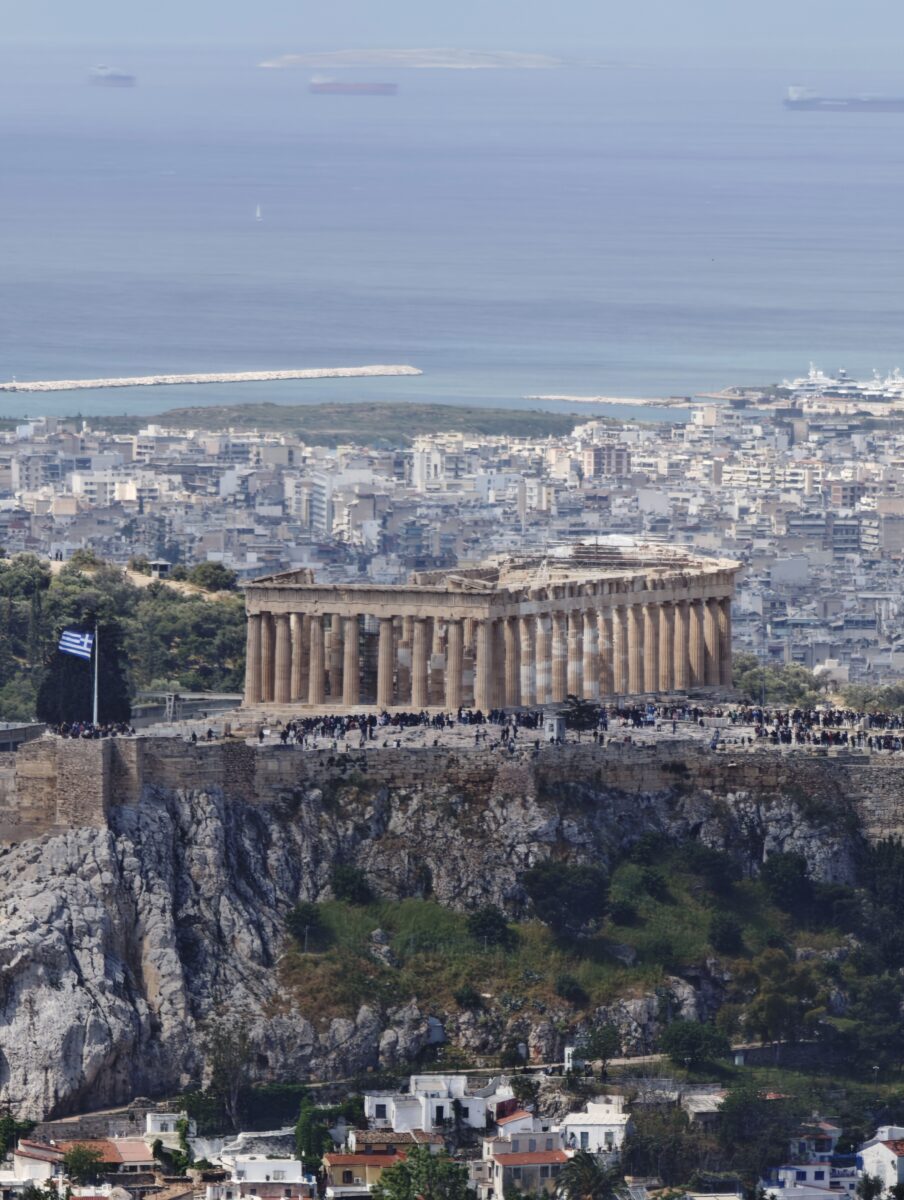
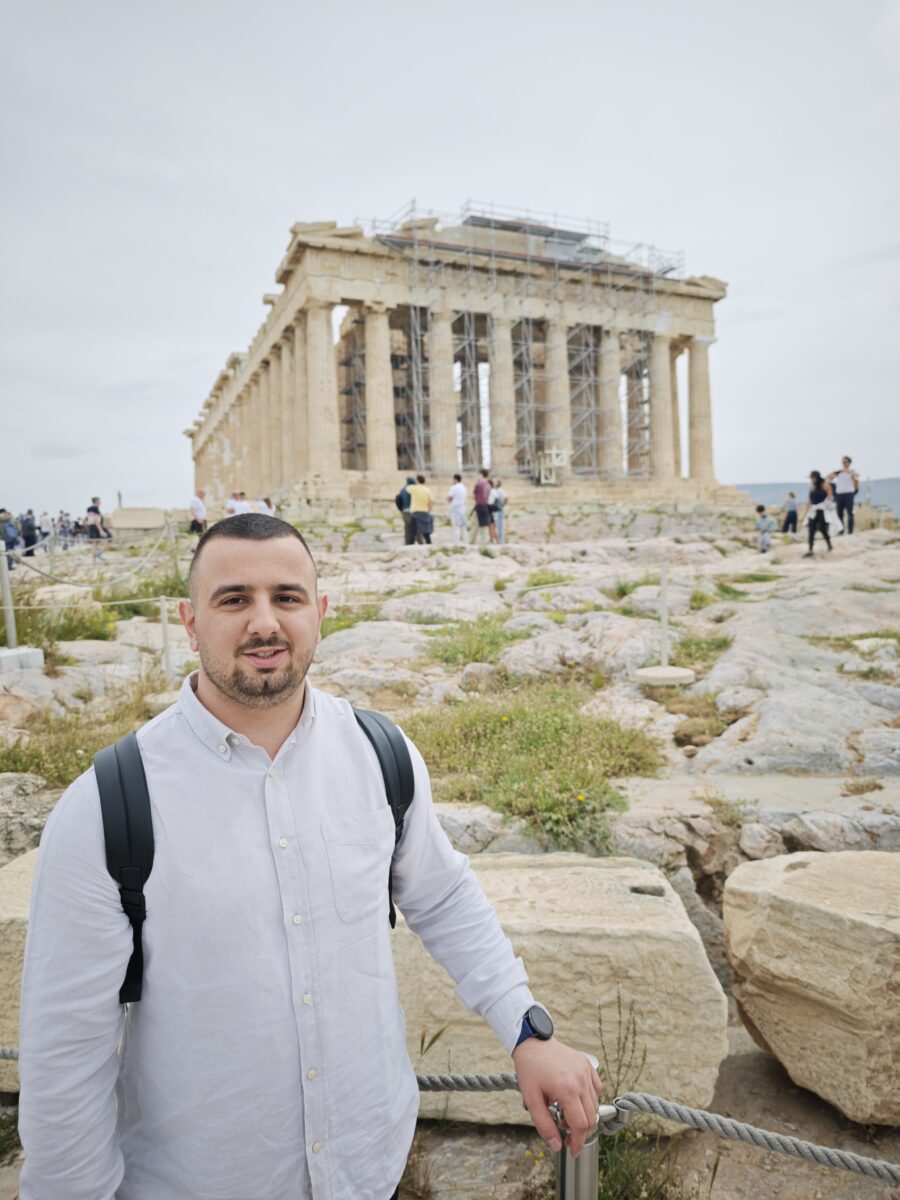
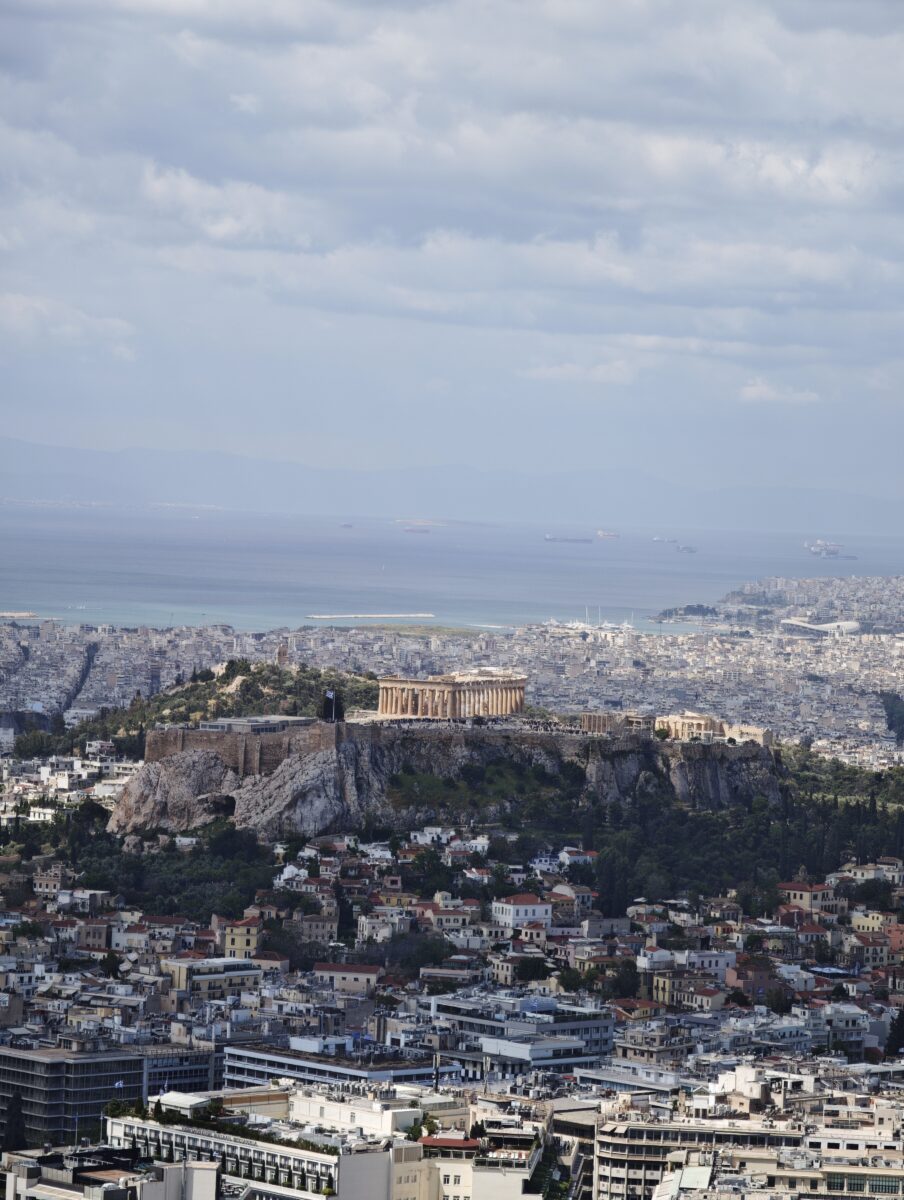
It is difficult to choose just one favourite experience because the city offers so much. I explored the heart of Athens, from the historic streets of Plaka and Monastiraki to the Ancient Agora and the Acropolis. My personal favourite was Lycabettus Hill, which offers stunning panoramic views of the city. I also greatly enjoyed the Acropolis Museum and the National Garden.
Outside the city center, I explored the Athenian Riviera, including Glyfada and Vouliagmeni, which I found particularly beautiful. I also took trips to see the Temple of Poseidon at Sounion and the Corinth Canal. Finally, visiting the island of Zakynthos was a highlight, seeing the famous Navagio (Shipwreck) beach from the cliffs was unforgettable, and the entire island is truly beautiful, with its stunning beaches and nature.